
How to Prevent Scratches on Glass During Washing
Scratches on glass can lead to rejected products, unnecessary rework, and customer complaints. When scratches are discovered after washing, operators may assume that the brushes are responsible. However, the actual cause may be elsewhere in the machine or even in an earlier processing stage.
A systematic inspection helps identify where the damage occurs and how to prevent it from happening again.
1. Contaminated Brushes
Glass powder, broken glass particles, and other debris can accumulate on brush surfaces.
If abrasive particles become trapped between the brush and the glass, they may cause scratches during cleaning.
Prevention measures:
- Inspect brushes regularly according to the maintenance schedule.
- Remove accumulated debris using the approved cleaning procedure.
- Check for worn, damaged, or contaminated bristles.
- Use brushes suitable for the glass type and coating.
- Follow the manufacturer’s instructions for brush contact and adjustment.
For Low-E or other coated glass, verify brush compatibility with the coating manufacturer’s processing requirements.
2. Broken Glass Particles Inside the Machine
Small glass fragments may remain on conveyor rollers, support components, or other accessible areas after a sheet breaks or chips.
If subsequent glass passes over these particles, scratches may appear.
After any breakage, stop the machine and follow the approved isolation and glass-removal procedure. Inspect the affected areas before resuming production.
Do not reach into a running machine or remove debris while moving components are exposed.
3. Dirty or Damaged Conveyor Rollers
Conveyor rollers transport glass through the washing process. Contamination, damaged surfaces, or uneven roller conditions can affect glass movement and surface quality.
Inspect accessible rollers for:
- Glass chips and accumulated debris.
- Dirt or other contaminants.
- Visible damage or abnormal wear.
- Uneven rotation or other mechanical irregularities.
If the scratches repeat at regular intervals, investigate whether a rotating component or roller is involved. Record the distance between marks and compare it with the suspected component’s rotation pattern where applicable.
4. Incorrect Brush Contact
Brushes must provide effective cleaning without applying unsuitable contact to the glass.
Excessive or uneven contact may increase the risk of surface damage, particularly when the glass is thin or coated.
Check the machine’s specified brush settings and confirm that they are appropriate for the glass thickness and type. Make adjustments only within the manufacturer’s approved range.
Increasing brush pressure is not a reliable solution for every cleaning problem. It may increase the risk of damage without correcting contamination or water-quality issues.
5. Scratches May Occur Before Washing
Not every scratch discovered after washing originates in the washing machine.
Damage may occur during cutting, grinding, seaming, manual handling, or transfer between production stations.
To identify the source, inspect a representative glass sheet before washing and compare it with the same sheet after washing. If the scratch already exists before the sheet enters the machine, investigate the upstream process.
If the scratch first appears after washing, inspect the conveying, brush, and unloading sections.
6. How to Identify the Source of Scratches
| Scratch pattern | Possible source to investigate |
|---|---|
| Random scratches | Loose debris or glass fragments |
| Repeated marks at regular intervals | Roller or rotating-component contamination |
| Scratches aligned with conveying direction | Contact surfaces, trapped particles, or upstream handling |
| Damage concentrated on coated surfaces | Brush compatibility, contamination, or unsuitable contact |
| Scratches already visible before washing | Cutting, edging, seaming, or handling |
These patterns help narrow the investigation but do not prove the cause by themselves.
7. Build a Preventive Maintenance Routine
A practical preventive program should include:
- Daily visual inspection of accessible contact areas.
- Prompt inspection after glass breakage.
- Scheduled brush and roller checks.
- Regular cleaning of tanks and filters.
- Inspection of the conveying and unloading systems.
- Recording recurring defects and maintenance actions.
- Periodic verification of washing results using representative production glass.
The inspection frequency should be based on the manufacturer’s instructions and the factory’s production conditions.
Conclusion
Preventing scratches requires more than changing the brushes. Contamination, broken glass particles, damaged rollers, unsuitable brush contact, and upstream handling can all contribute to surface damage.
The key is to compare glass quality before and after washing, locate where the scratch first appears, and investigate the relevant equipment.
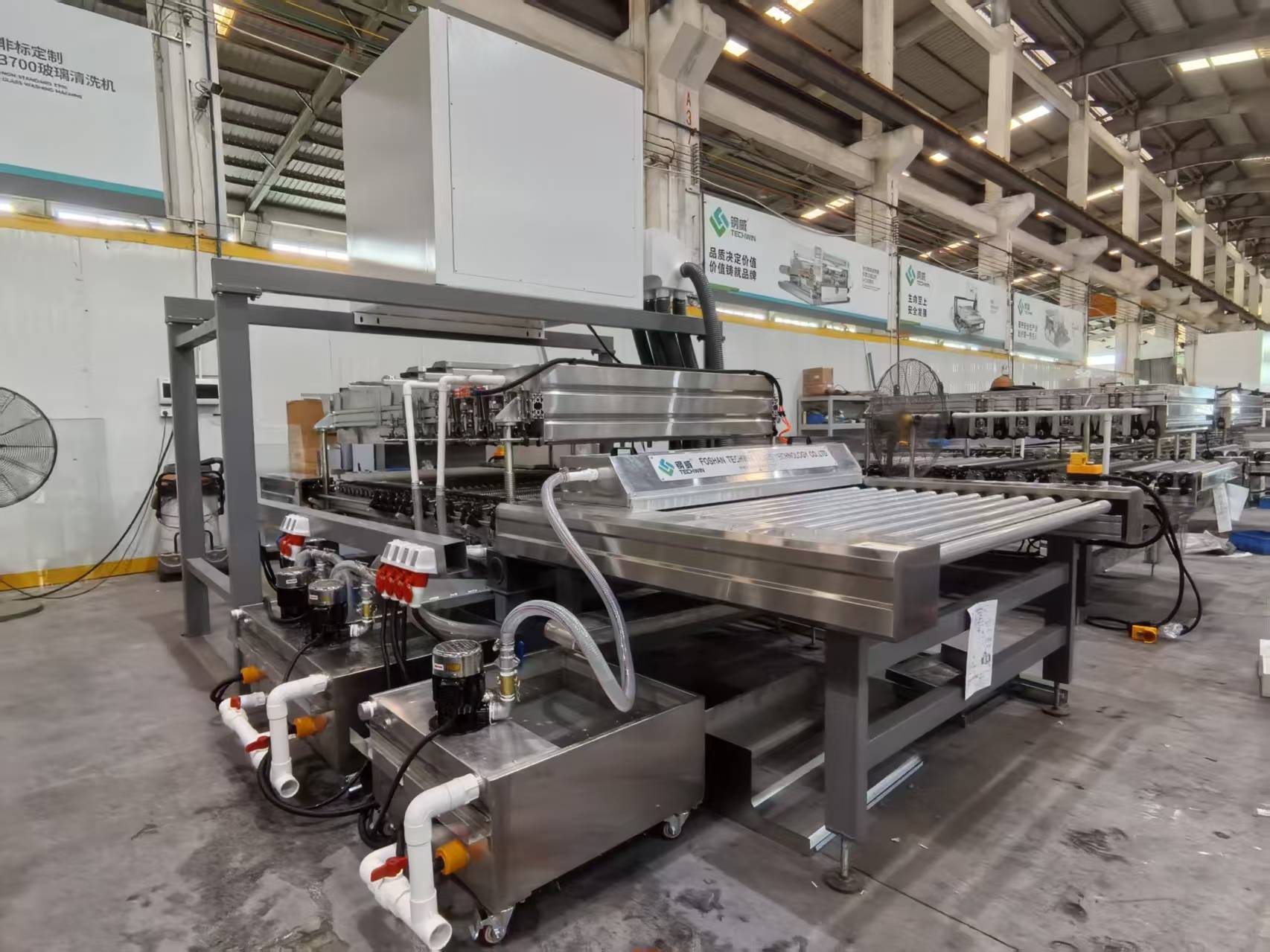
TECHWIN manufactures glass washing machines for industrial glass-processing applications. Contact our team to discuss glass thickness, coating requirements, washing conditions, and the most appropriate machine configuration for your production line.
Product Features:
Technical Parameters
Get A Free Quote!
Send us your enquiry and budget and you will get a free quote within 24 hours.