When a glass factory needs to increase edging capacity, one of the most important equipment decisions is whether to continue with single-edge processing or move to a double edging machine.
The right choice depends on glass size, production volume, edge requirements, product mix and factory layout.
What Is a Single Edging Machine?
A single edging machine processes one glass edge at a time.
The glass generally needs to be transferred or repositioned for subsequent edges.
This type of machine can be suitable for:
- Small production volumes
- Flexible production
- Different glass sizes
- Factories with limited investment requirements
- Applications where continuous high-volume processing is not required
What Is a Glass Double Edger?
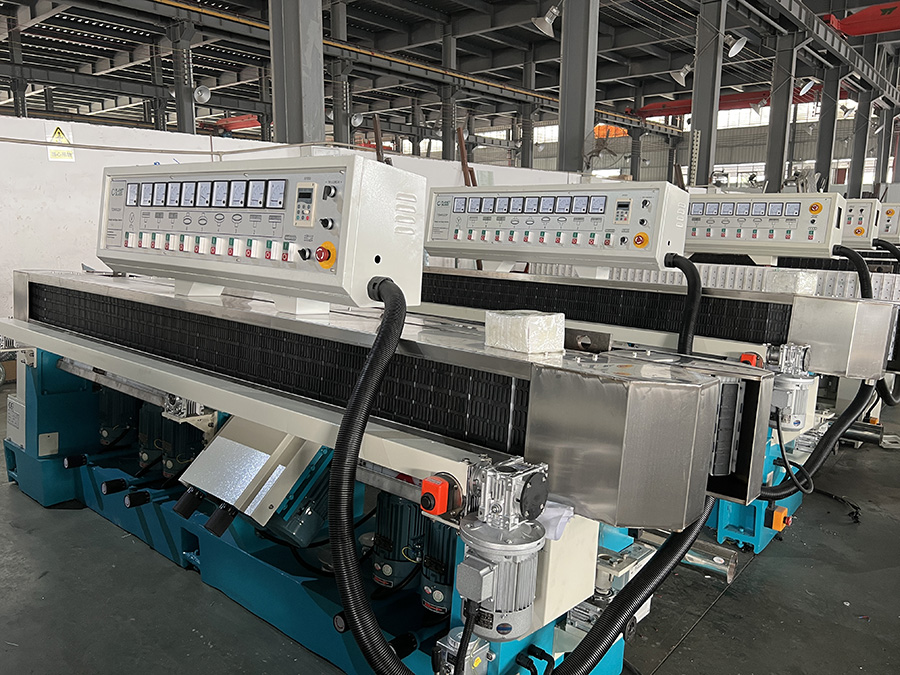
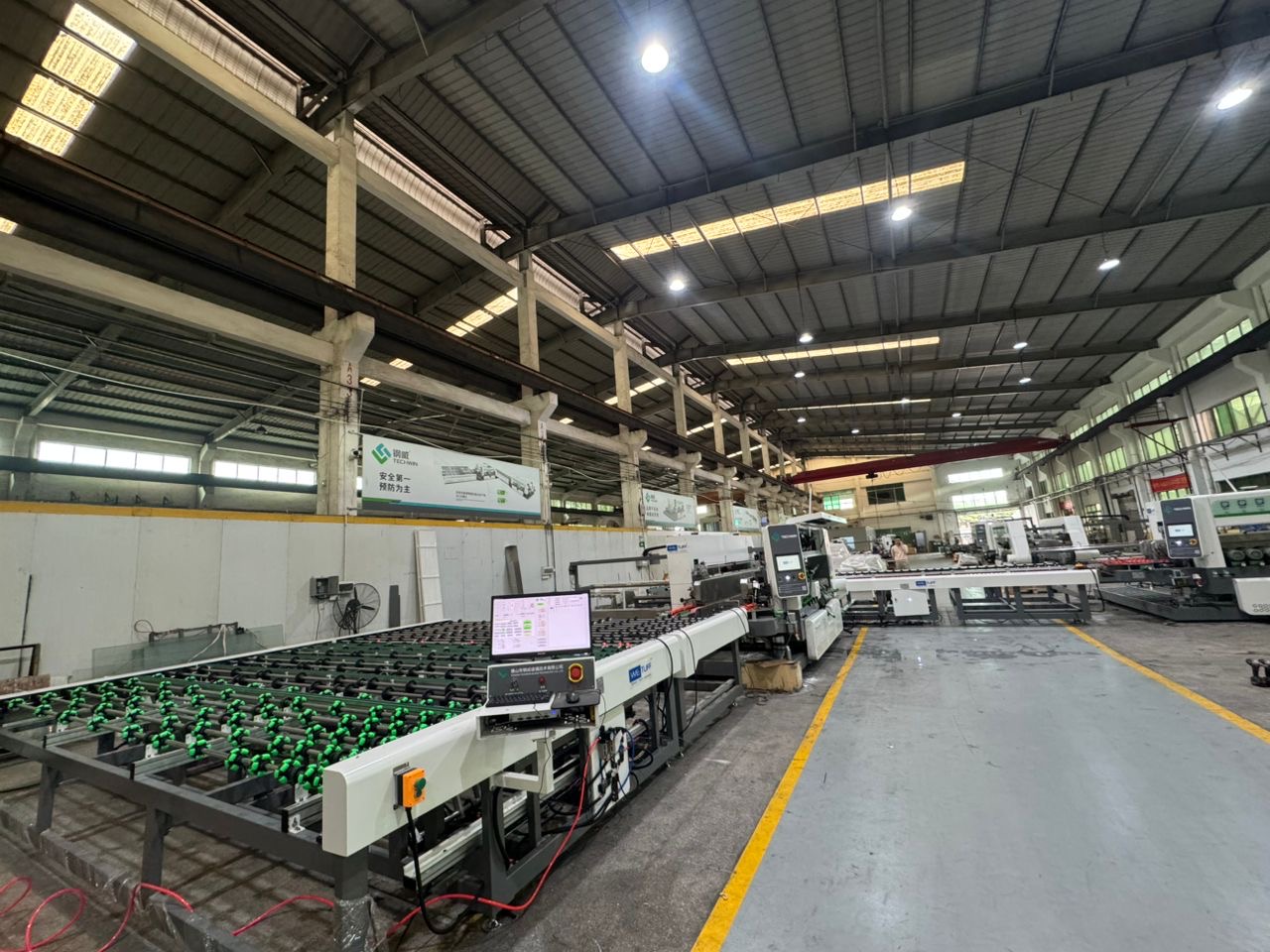
A double edging machine processes two parallel edges simultaneously.
This allows the glass to move continuously through the machine and can significantly improve productivity in suitable production environments.
A typical double edging process can be:
Loading → First Double Edging → Turning → Second Double Edging → Washing
Key Differences
Processing Efficiency
The main advantage of double edging is simultaneous processing of two parallel edges.
For high-volume production, this can provide a significant improvement in throughput compared with processing each edge separately.
Manual Handling
Single-edge processing may require more glass repositioning and manual handling.
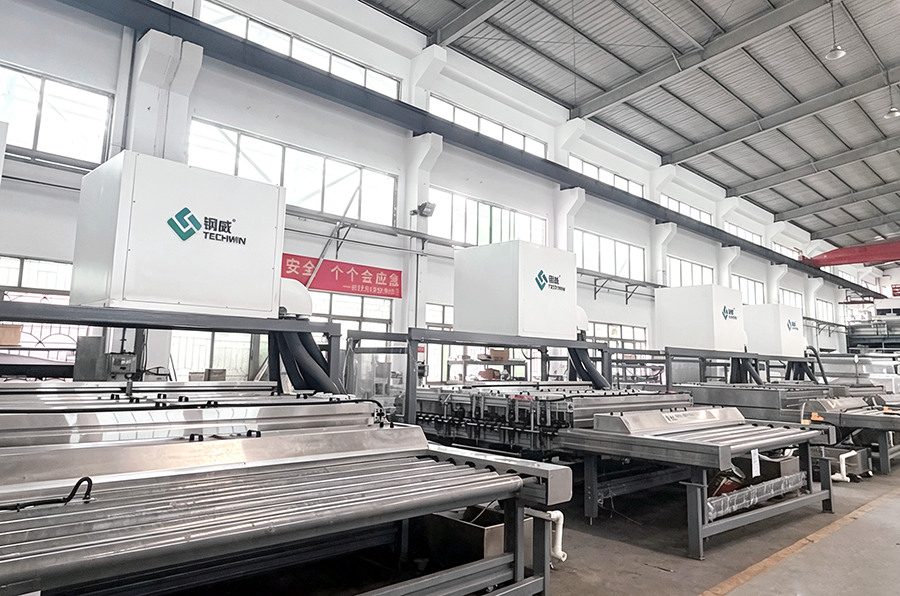
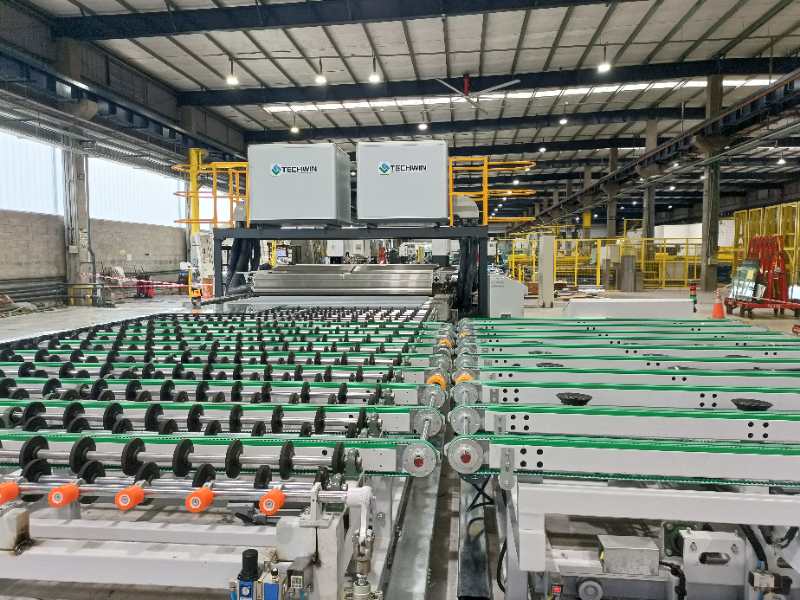
An automated double edging line can combine loading, scanning, edging, turning, washing and unloading into a continuous workflow.
Dimensional Control
Modern double edgers can be equipped with measuring or scanning systems and servo-controlled grinding systems.
These features can help reduce manual adjustment and improve production consistency.
Automation
Double edging is particularly suitable for automated production lines.
It can be connected with:
Cutting → Scanning → Double Edging → Drilling → Washing → Tempering → Unloading
When Should You Consider a Double Edger?
A double edger may be worth considering when:
- Production volume is increasing
- Manual glass handling is becoming a bottleneck
- Different glass sizes need to be processed continuously
- Production consistency is important
- You want to connect edging with washing or tempering
- You are planning a more automated production line
A Real Production Example
TECHWIN supplied a double edging line for a Spanish architectural glass processor that previously relied mainly on CNC-based edge processing.
The line included automatic loading, glass scanning, automatic adjustment, servo-driven grinding and integrated washing.
The project was designed for glass up to 2500 × 2000 mm and a line speed of up to 15 m/min. The customer reported approximately 50% higher processing efficiency compared with the previous process.
What About Jumbo Glass?
For large architectural glass, double edging can also be combined with automated handling and washing.
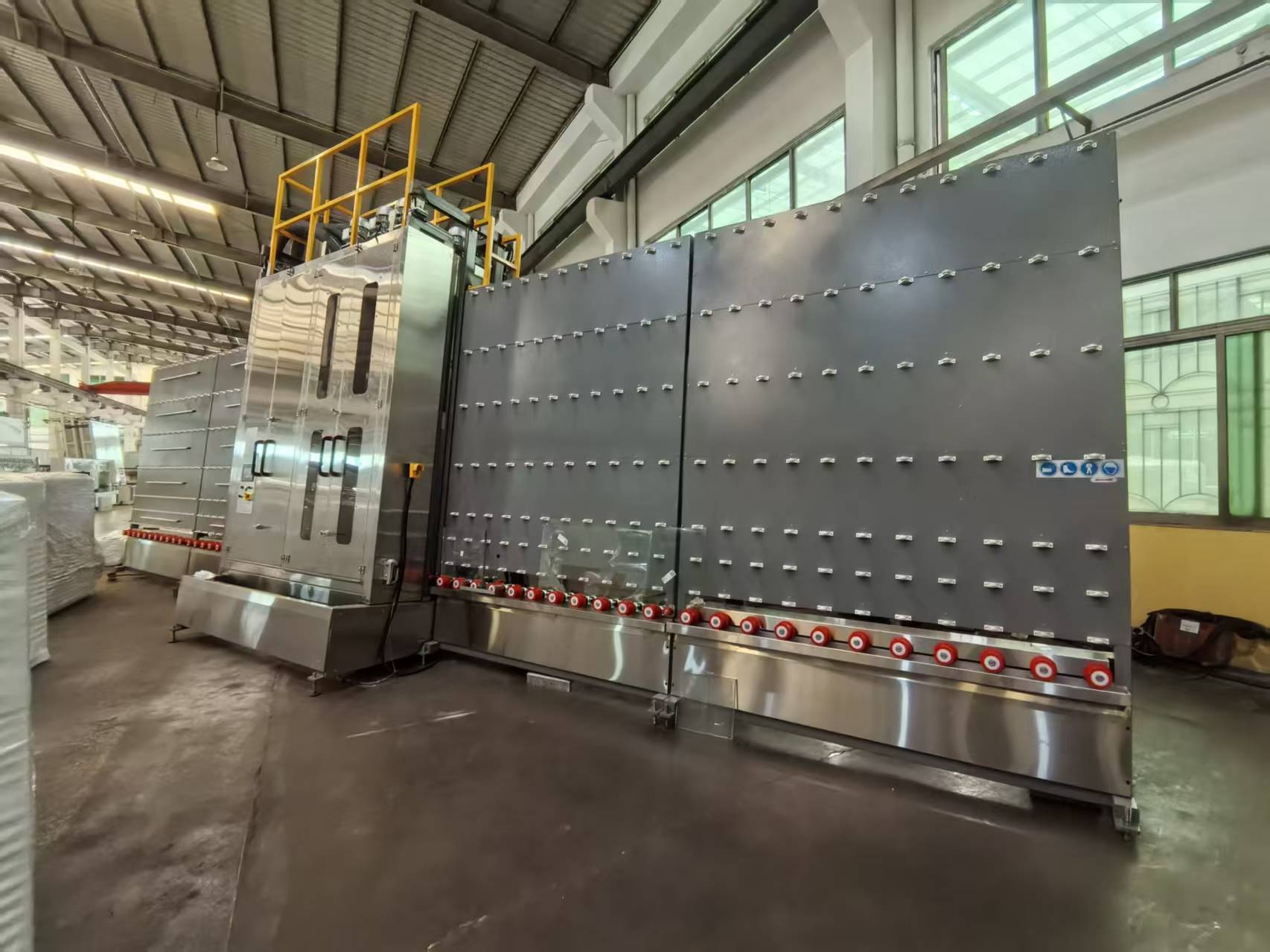
TECHWIN has developed an L-shaped double edging line for glass up to 6000 × 3000 mm, with a line speed of up to 20 m/min.
Which One Should You Choose?
There is no universal answer.
The correct solution depends on:
Glass Size + Glass Thickness + Production Volume + Edge Requirement + Product Mix + Factory Layout + Automation Level
For a small or flexible production environment, a single edging solution may be sufficient.
For high-volume production, especially where automation is required, a double edging line can provide a more continuous production process.
Need Help Selecting a Glass Edging Machine?
Send TECHWIN your glass size, thickness, product type and target production capacity.
We can recommend a suitable configuration based on your actual production process.